
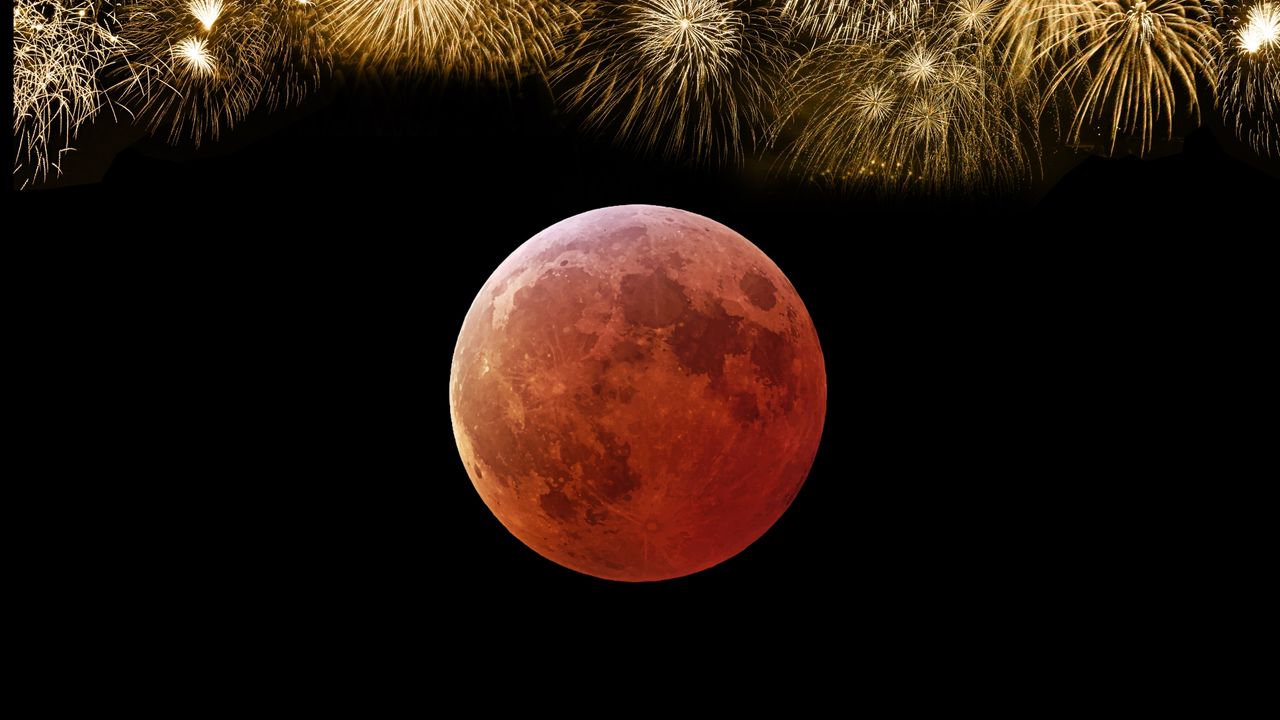
The total lunar eclipse on March 3 will be the last until New Year's Eve 2028
After this 'blood moon,' our natural satellite will not fully disappear into Earth's shadow again for nearly three years — until a rare trifecta of total lunar eclipses in 2028–29 ends the drought.
Complete Article Summary
After this 'blood moon,' our natural satellite will not fully disappear into Earth's shadow again for nearly three years — until a rare trifecta of total lunar eclipses in 2028–29 ends the drought.
Lunar exploration and research continue to be priorities for space agencies worldwide as humanity prepares to establish a sustained presence on the Moon. The Moon offers unique scientific opportunities and serves as a proving ground for technologies needed for Mars missions and beyond.
Recent discoveries of water ice in permanently shadowed craters and potential resources in lunar regolith have renewed interest in establishing permanent lunar bases. These resources could support life support systems, provide rocket propellant, and reduce the cost of deep space exploration by eliminating the need to launch everything from Earth.
International lunar programs emphasize cooperation, resource sharing, and the establishment of common standards for sustainable exploration. The Artemis Accords and similar frameworks aim to ensure that lunar activities benefit all of humanity while establishing precedents for responsible space resource utilization.
Related Articles
Intuitive Machines raises $175 million in stock sale
Intuitive Machines raised $175 million in a stock sale Feb. 25 and plans to use the proceeds to help build out a deep space communications network. The post Intuitive Machines raises $175 million in stock sale appeared first on SpaceNews.

'Star Trek: Starfleet Academy' is making Trek horny again, and it's about time!
"I am programmed in multiple techniques. A broad variety of pleasuring."
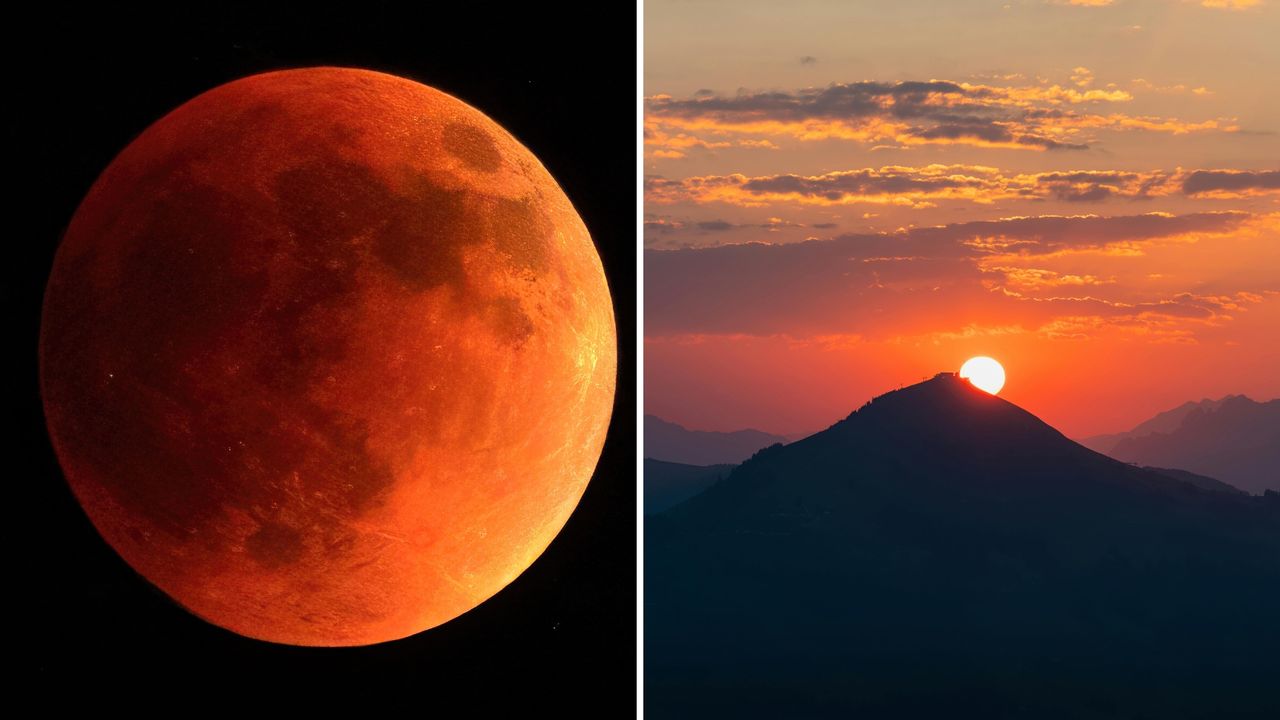
See the 'impossible' as sunrise and a total lunar eclipse appear at the same time on March 3
A rare atmospheric effect called selenelion could briefly let skywatchers see the rising sun and a blood moon at the same time.
More Space News
Related articles will be displayed here based on category and content similarity.