
Reusable Rocket Technology Reduces Space Launch Costs by 70%
Advancements in reusable rocket technology have dramatically reduced the cost of space launches, opening new possibilities for scientific research and commercial ventures.
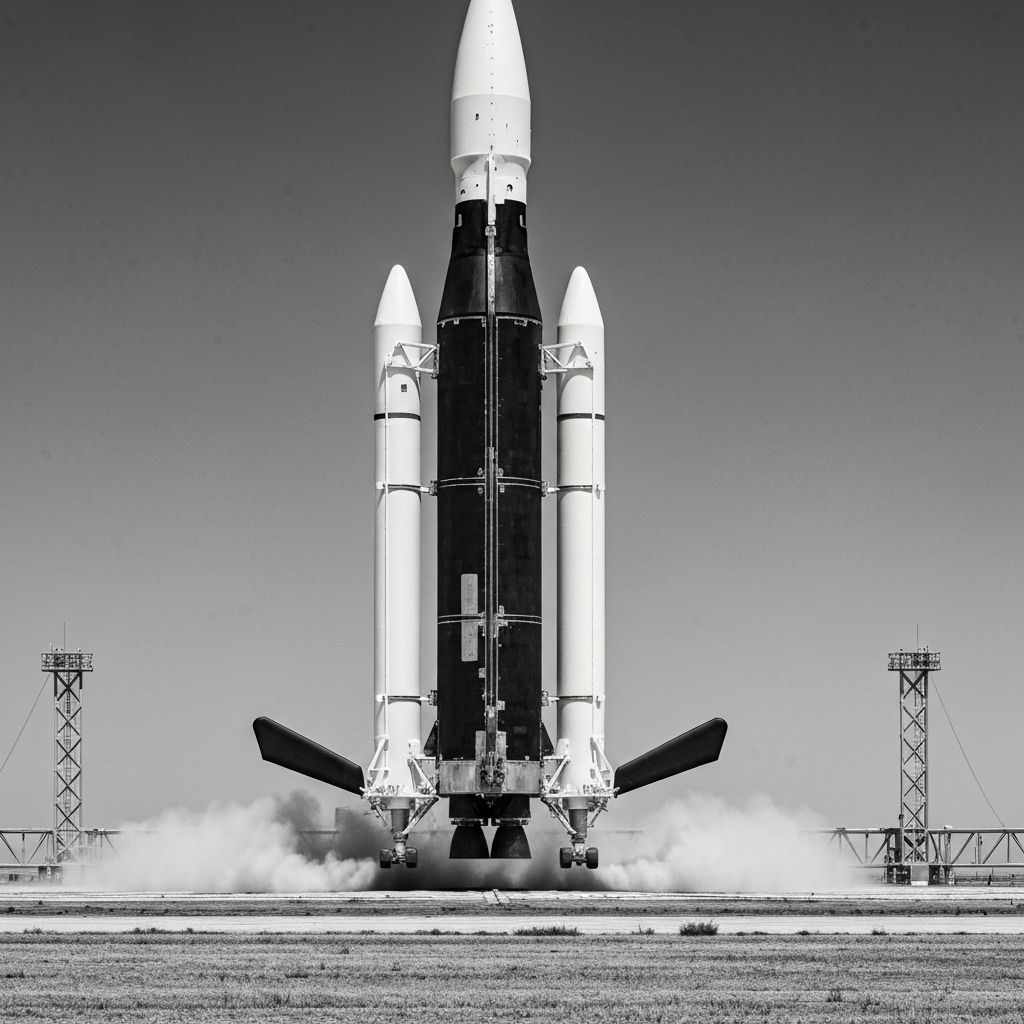
Complete Article Summary
Advancements in reusable rocket technology have dramatically reduced the cost of space launches, opening new possibilities for scientific research and commercial ventures.
This launch represents a significant milestone in space exploration, showcasing the continued advancement of rocket technology and mission capabilities. Modern launch systems are designed with reusability, increased payload capacity, and enhanced safety features that make space more accessible than ever before.
Such launches are crucial for maintaining humanity's presence in space and supporting scientific research, telecommunications, and Earth observation missions. Each successful launch demonstrates the growing maturity of commercial spaceflight and the expanding partnerships between government agencies and private industry.
The data and experience gained from these missions inform future launch vehicle designs, orbital mechanics strategies, and mission planning protocols. As launch cadence increases globally, we're witnessing a new era of space accessibility that promises to revolutionize satellite deployment, crewed missions, and deep space exploration.
Why This Matters
Editorial analysis by The Orbital
Advancements in reusable rocket technology have reduced space launch costs by 70%, opening new possibilities for scientific research and commercial ventures.
More Space News
Related articles will be displayed here based on category and content similarity.