
What is an exoplanet? An astrophysicist explains why they are vital for finding alien life
Scientists might have just found Earth's icy, distant cousin a few hundred million light-years away. HD 137010 b is one of thousands of exoplanets, or planets that orbit other stars, and is potentially the first Earth-like one that also orbits a sun-like star. Initially observed in 2017 with data from the National Aeronautics and Space Administration (NASA) and its Kepler Space Telescope, further details about HD 137010b came out this year.

Complete Article Summary
Scientists might have just found Earth's icy, distant cousin a few hundred million light-years away. HD 137010 b is one of thousands of exoplanets, or planets that orbit other stars, and is potentially the first Earth-like one that also orbits a sun-like star. Initially observed in 2017 with data from the National Aeronautics and Space Administration (NASA) and its Kepler Space Telescope, further details about HD 137010b came out this year.
This discovery adds to our understanding of planetary science and the evolution of our solar system. By studying these celestial bodies, scientists analyze geological formations, atmospheric compositions, and potential biosignatures that could indicate past or present life.
Planetary research helps us understand the formation processes that created our solar system over 4.5 billion years ago. Comparative planetology allows scientists to study how different initial conditions and evolutionary paths led to the diverse worlds we observe today, from the scorching surface of Venus to the icy moons of Jupiter.
These findings have implications for astrobiology, resource utilization, and future human exploration. Understanding planetary environments helps mission planners design appropriate spacecraft, select landing sites, and develop technologies for in-situ resource utilization that will support sustained human presence beyond Earth.
Related Articles
NASA on ‘aggressive’ schedule to complete SLS repairs for April launch
NASA has about three weeks to complete repairs to the Space Launch System’s upper stage to make the next launch window for the Artemis 2 mission in early April. The post NASA on ‘aggressive’ schedule to complete SLS repairs for April launch appeared first on SpaceNews.
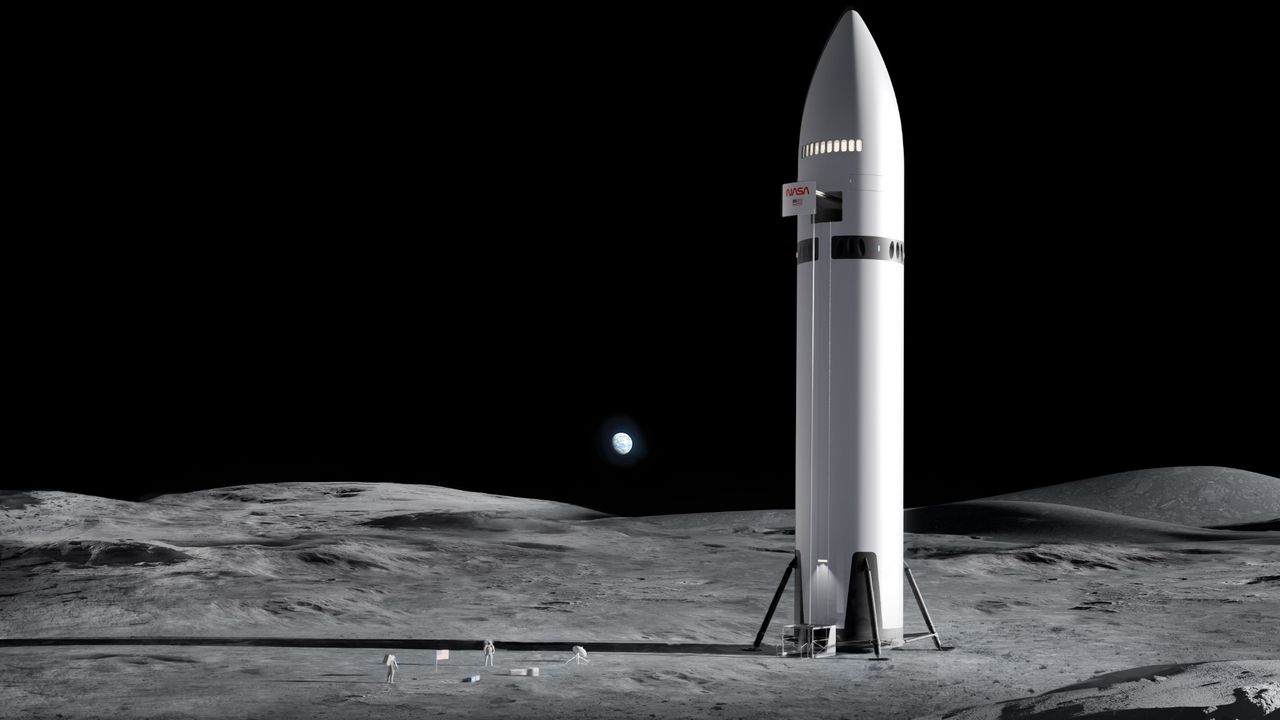
'Pushing this competition': SpaceX's Starship might not fly on NASA's newly revamped Artemis 3 mission
NASA's Artemis 3 mission will no longer land astronauts on the moon —and it might not involve SpaceX's Starship megarocket, either.
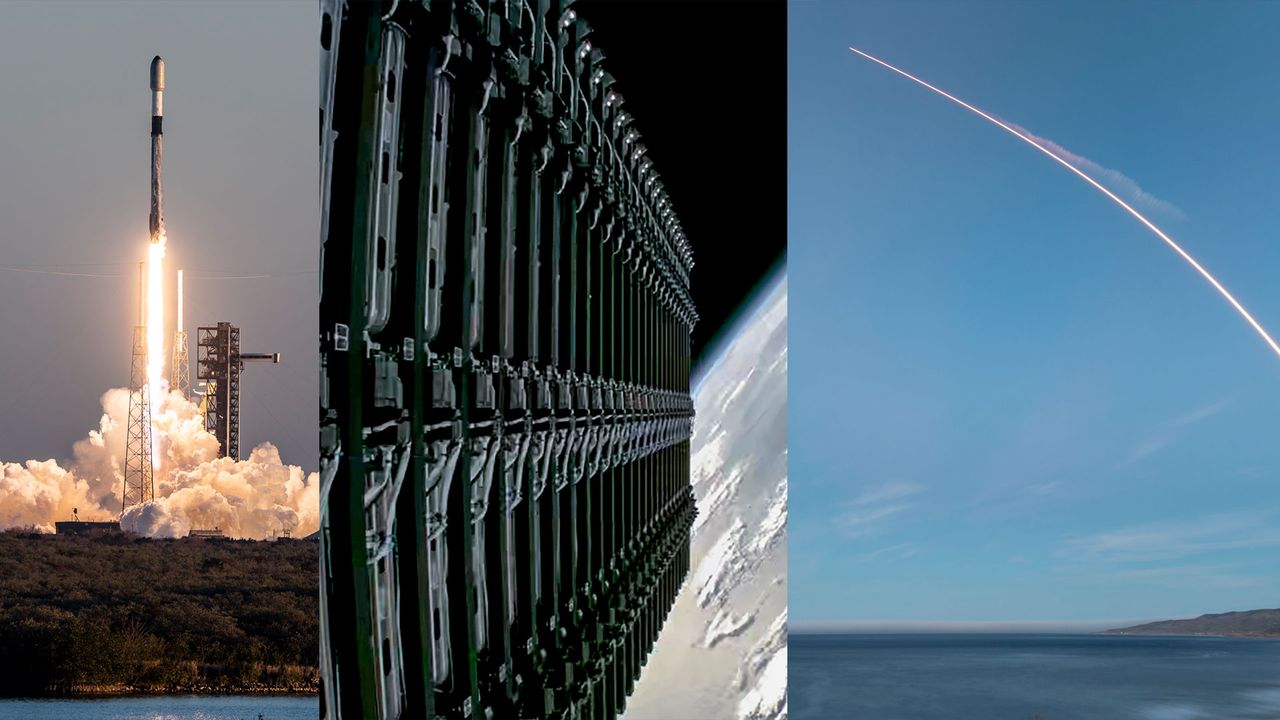
February finale: SpaceX wraps up month with three Starlink launches this week
Two Falcon 9 launches from Florida and one from California deployed 83 Starlink satellites into low Earth orbit, wrapping up February 2026 for the SpaceX network.
More Space News
Related articles will be displayed here based on category and content similarity.